
Key Takeaways
- Chronic stress triggers cortisol release, which directly increases bad cholesterol (LDL) production in your liver.
- Sleeping under 6 hours or over 8 hours per night may disrupt your cholesterol balance and raise cardiovascular disease risk.
- Stress may result in unhealthy coping behaviors such as overeating and smoking, which further elevate bad cholesterol levels.
- Women may be more sensitive to sleep-related cholesterol changes than men.
- Managing stress and maintaining consistent sleep patterns of 7-8 hours can help control your bad cholesterol naturally.
 When you’re juggling work deadlines, family responsibilities, and endless to-do lists while running on just 5 hours of sleep, you’re doing more than feeling exhausted. That combination of chronic stress and sleep deprivation actively raises your bad cholesterol levels, setting the stage for heart disease.
Your body responds to these pressures by producing hormones and chemicals that increase LDL cholesterol in your bloodstream, which means those arterial walls start accumulating fatty deposits even if you’re eating all the right foods.
Why Stress Raises Your LDL Cholesterol Levels
Your body releases cortisol in response to stressful situations. This stress hormone prepares you for action by pumping glucose and fatty acids into your bloodstream. That’s helpful when you need quick energy, but problems develop when stress becomes constant rather than occasional.
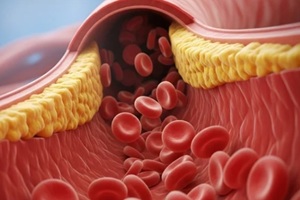
When cortisol stays elevated day after day, your liver’s reaction is to produce more LDL cholesterol. Your blood sugar stays high, your blood pressure increases, and those LDL particles start sticking to your artery walls. Over time, this leads to plaque buildup that narrows your arteries and restricts blood flow to your heart.
The real danger comes from how chronic stress keeps your body in a perpetual fight-or-flight mode. Your cardiovascular system never gets a break, which is why people with high stress levels face three times the risk of developing high cholesterol compared to those who manage stress effectively.
How Poor Sleep Disrupts Your Cholesterol Balance
Sleep gives your body essential time to repair itself and restore balance. During those hours of rest, your heart rate slows, your blood pressure drops, and your hormones recalibrate. Without sufficient quality sleep, these recovery processes fall apart.
Studies show that adults who get less than 6 hours of sleep per night may be at greater risk of developing higher LDL cholesterol levels and increased triglycerides. Your body begins producing excessive ghrelin, the hormone that makes you hungry, while reducing leptin, which helps regulate your weight and metabolism. This hormonal chaos pushes your cholesterol numbers in the wrong direction.
 However, sleeping too much creates problems as well. Research indicates that people who sleep more than 8 hours per night might be more likely to have lower HDL (good) cholesterol and higher triglycerides. Women appear particularly sensitive to these sleep-related changes, experiencing more dramatic cholesterol shifts than men when their sleep patterns fall outside the 7-8 hour range.
The Dangerous Cycle of Stress, Sleep, and Unhealthy Habits
Stress doesn’t just affect your cholesterol through cortisol production. It also influences the daily choices you make to cope with pressure. When you’re overwhelmed and exhausted, you’re more likely to reach for comfort foods loaded with saturated fats, skip your evening walk, or pour that extra glass of wine.
These stress-driven behaviors create a harmful cycle. Poor food choices and lack of exercise directly raise your bad cholesterol. Then, inadequate sleep from staying up late or lying awake worrying pushes those numbers even higher. You wake up tired, feel more stressed, make worse health decisions, and the pattern repeats itself.
Sleep deprivation also increases your appetite for foods high in cholesterol and reduces your motivation for physical activity. Young adults who don’t get enough rest tend to eat more cholesterol-rich foods and move their bodies less, which means their LDL levels climb steadily.
Finding the Right Amount of Sleep for Heart Health
Your heart health depends on hitting that sweet spot of 7-8 hours of quality sleep per night. Adults who consistently sleep in this range exhibit the healthiest cholesterol profiles, with higher HDL levels and lower triglycerides compared to those who sleep too little or too much.
Make sure your bedroom stays cool, dark, and quiet so you can actually rest during those hours. Interrupted sleep from conditions such as sleep apnea causes just as much damage as sleeping too little, so address any breathing problems or snoring issues with your doctor.
Practical Ways to Reduce Stress and Improve Sleep
Start by setting consistent bedtime and wake-up times, even on weekends. Your body functions best with predictable rhythms. Before bed, try gentle stretches, read something calming, or write down tomorrow’s concerns so you can set them aside until morning.
During the day, build in short relaxation breaks. Just a few minutes of deep breathing, meditation, or quiet sitting can significantly lower your cortisol levels. Regular exercise supports stress management and sleep quality, so try to get a minimum of 150 minutes of moderately intense activity per week.
Learn to say no when your schedule gets overloaded. Taking on too many commitments keeps your stress levels high and your sleep quality poor, which means your cholesterol pays the price.
Turn to Imperial Center Family Medicine for Help Improving Your Heart Health
 Managing your bad cholesterol requires attention to stress, sleep, and overall lifestyle patterns. Imperial Center Family Medicine has served Triangle area families since 1999, providing personalized care that addresses all factors affecting your cardiovascular health.
Our experienced providers can test your cholesterol levels through our on-site Quest Diagnostics lab and help you develop practical strategies for stress management and better sleep. We offer same-day appointments when health concerns arise, so you don’t have to wait weeks to address your cholesterol or heart health questions. Contact us today at 919-873-4437 or online to schedule your cholesterol screening and start working toward better heart health.