
Key Takeaways
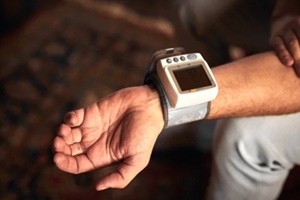 Systolic blood pressure below 90 mm Hg can reduce blood flow to your brain and other organs, causing symptoms that range from mild dizziness to life-threatening complications.
- Early warning signs include feeling lightheaded when standing up, experiencing blurred vision, and noticing unusual fatigue throughout your day.
- Severe symptoms such as confusion, chest pain, rapid heartbeat, or fainting require immediate emergency care to prevent organ damage.
- Your baseline blood pressure matters, as a sudden drop from your normal range can be dangerous even if the numbers still look acceptable.
- Recognizing these symptoms early and seeking medical evaluation can prevent falls, injuries, and serious health complications.
When you stand up and suddenly feel the room spinning, or you notice persistent lightheadedness that disrupts your daily activities, your systolic blood pressure might be dropping to unsafe levels. Low systolic blood pressure reduces the amount of oxygen-rich blood reaching your brain and vital organs, which explains why these symptoms happen and why you shouldn’t dismiss them as minor inconveniences.
Understanding Your Systolic Blood Pressure Number
Your blood pressure reading includes two numbers, and the systolic blood pressure is the top one. This number measures how much force your blood exerts against your arterial walls each time your heart beats.
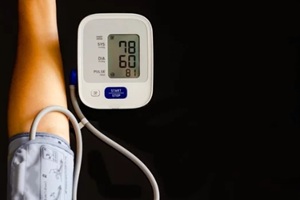
Healthcare providers consider blood pressure healthy when it stays below 120/80 mm Hg. Your systolic pressure drops into the low range when it falls below 90 mm Hg. However, what counts as too low depends on your personal baseline and whether you experience symptoms, which is why tracking how you feel matters just as much as the actual numbers.
Recognizing Early Warning Signs
 Your body gives you clear signals when your systolic pressure starts dropping too low. These early symptoms happen because your brain isn’t getting its normal blood supply, so you might notice changes in how you think and move throughout your day.
Dizziness or lightheadedness is the most common early symptom. You might experience this sensation when you stand up from sitting or lying down, which happens because gravity pulls blood away from your brain before your body can compensate. Some people describe this feeling as the room tilting or their vision getting darker around the edges.
Blurred vision often accompanies dizziness because your eyes need steady blood flow to function properly. You might notice words on your computer screen becoming harder to read, or you may struggle to focus on objects across the room.
Unusual fatigue can signal that your organs aren’t receiving adequate blood flow. When your systolic pressure drops, your body works harder to pump blood where it needs to go, which drains your energy faster than normal physical activity would.
You might also notice yourself feeling confused or having trouble concentrating on tasks that usually come easily to you. This mental fog develops when your brain operates on reduced oxygen levels, making it harder to process information and make decisions.
Identifying Dangerous Symptoms That Demand Attention
Some symptoms indicate your systolic pressure has dropped to levels that put your health at immediate risk. Your heart often responds to low blood pressure by beating faster, trying to push more blood through your system to maintain adequate flow to your organs. If you feel your heart racing or notice unusual palpitations without physical exertion, your cardiovascular system is struggling to compensate.
 Severe weakness that makes standing difficult or impossible means your muscles aren’t getting enough oxygenated blood to function. This symptom often comes with unsteadiness that increases your fall risk, which can lead to serious injuries such as broken bones or head trauma.
Nausea and vomiting can develop when your digestive system doesn’t receive proper blood flow. Your body prioritizes sending blood to your brain and heart during pressure drops, so your stomach and intestines may not work as they should.
Passing out represents your body’s last-ditch effort to protect your brain. When you faint, you fall into a horizontal position, which helps blood flow more easily to your head without fighting against gravity. However, fainting puts you at high risk for dangerous falls and indicates you need medical evaluation right away.
When Your Symptoms Require Emergency Care
You should call 911 or head straight to the emergency room if you experience chest pain alongside low systolic pressure symptoms. This combination can indicate your heart isn’t getting enough blood to pump effectively, which becomes life-threatening without immediate treatment.
Symptoms such as rapid breathing, cold and clammy skin, or extreme confusion suggest shock, a medical emergency in which your circulatory system can’t meet your body’s basic needs. These symptoms indicate your organs are starting to shut down from inadequate blood flow.
You also need emergency care if your blood pressure drops suddenly from your normal range. For example, if your systolic pressure usually runs around 130 mm Hg and suddenly measures 90 mm Hg with symptoms, this change requires immediate medical attention, even though 90 mm Hg might not seem alarming on its own.
Anyone taking blood pressure medications who develops these symptoms should seek prompt evaluation. Your medication dose might need adjustment to prevent dangerous drops in your systolic pressure.
Get the Right Care for Low Systolic Blood Pressure
 Recognizing symptoms of low systolic blood pressure gives you the power to take action before complications develop. No matter if you experience mild dizziness that concerns you or severe symptoms that disrupt your daily life, a professional medical evaluation can identify the underlying cause and guide appropriate treatment.
Imperial Center Family Medicine’s providers can help you get to the bottom of troubling blood pressure symptoms. Since 1999, we’ve helped Triangle-area patients identify causes ranging from medication adjustments to underlying health conditions that need treatment. When you’re experiencing symptoms, our same-day appointments and on-site Quest Diagnostics lab mean you get answers without unnecessary delays.
Call us today at 919-873-4437 or schedule online to address your systolic blood pressure concerns with experienced providers who put your health first.