
 If you have high cholesterol, what ends up on your plate every day matters more than you may realize. A heart-healthy diet can reduce LDL, boost HDL, and meaningfully cut cardiovascular risk.
Read on to learn about the best cholesterol-lowering foods to add to your meals, and the ones worth limiting.
Essential Takeaways
|
Why Saturated Fat Is a Significant Concern
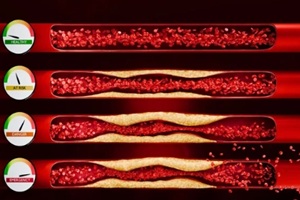
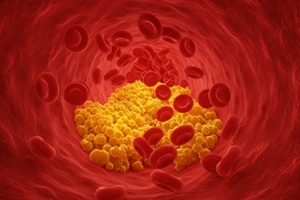
Your body creates two main types of cholesterol. LDL (low-density lipoprotein) builds up as plaque in your arteries, driving up your risk of developing heart disease and suffering a stroke. HDL (high-density lipoprotein) works in the other direction, carrying excess cholesterol back to your liver and away from the arteries.
The primary dietary drivers of high LDL are saturated fats and trans fats, not dietary cholesterol itself.U.S. dietary guidelines no longer set a specific daily cholesterol limit, though they still recommend keeping intake as low as possible without compromising nutrition. That’s largely because high-cholesterol foods are often also high in saturated fat. Reading nutrition labels carefully remains important.
Cholesterol screening measures LDL, HDL, total cholesterol, and triglycerides, giving you and your provider the full picture of your cardiovascular risk.
Best Foods for LDL Cholesterol Reduction
A heart-healthy diet for managing high cholesterol focuses on three things: soluble fiber, healthy fats, and plant-based foods.
Soluble fiber prevents your digestive system from absorbing cholesterol. Oats and oat-based cereals are standout sources because of a compound known as beta-glucan. Barley, lentils, black beans, kidney beans, chickpeas, and fruits, such as apples, oranges, and berries, are also excellent cholesterol-lowering foods. Try to have legumes in your meals at least twice a week.
Healthy fats help raise HDL while keeping LDL in check. Fatty fish, including salmon, sardines, tuna, and mackerel, are rich in omega-3 fatty acids that help reduce triglycerides and support cardiovascular health. Eating 2 ounces of nuts per day, including walnuts and almonds, can slightly lower LDL.
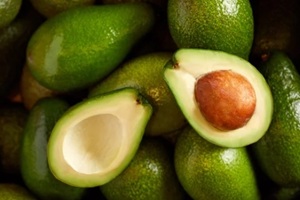
Avocados supply monounsaturated fats that improve the quality of LDL particles. For cooking, canola oil and extra virgin olive oil are healthy choices. Coconut oil and palm oil are high in saturated fat and are worth swapping out.
For people at higher cardiovascular risk, the Heart Foundation recommends 2 to 3 grams of plant sterols and stanols per day from fortified margarines, yogurts, or juices. These compounds stop your small intestine from absorbing cholesterol.
As recommended LDL targets continue to shift based on emerging research, your provider can help you determine the right goal for your individual risk profile.
Foods to Avoid With High Cholesterol
Processed meats, including bacon, sausage, and deli meats, are among the worst choices for people managing high cholesterol. They’re high in both saturated fat and sodium and are associated with cardiovascular risk.
Fried foods and fast food are usually prepared in oils high in saturated or trans fats. Baked goods and packaged snacks often contain partially hydrogenated oils, which signal trans fat content. Always look at the list of ingredients, not just the front of the package.
Full-fat dairy adds saturated fat faster than most people expect. The American Heart Association recommends a maximum of 6% of daily calories from saturated fat, which works out to about 13 grams on a 2,000-calorie diet. A single tablespoon of butter contains 7.3 grams.
Sugary foods and drinks raise LDL and triglycerides while lowering HDL. Sodas, sweetened coffees, and many condiments contain far more added sugar than most people expect. Look for maltose, high-fructose corn syrup, and dextrose on ingredient lists to spot hidden sources.
Practical Cholesterol Control Strategies
Small, consistent swaps make a real difference over time. A few healthy eating tips worth building into your routine:
- Ditch the butter and use olive or avocado oil when you cook
- Have beans or lentils with a minimum of two meals weekly
- Choose skinless poultry and lean cuts of red meat (look for at least 92% fat-free on the label)
- Pick whole grain breads and cereals that contain a minimum of 5 grams of dietary fiber in each serving
- Limit alcohol, since it raises both cholesterol and triglyceride levels
Most people experience significant improvements within 4 to 12 weeks of sticking to a healthier cholesterol management diet. Full lifestyle shifts that include regular exercise and a heart-healthy diet can take 3 to 6 months to take full effect, but for many people, meaningful progress without medication is achievable, depending on starting numbers and overall health.
Your Cholesterol Numbers Need a Closer Look
Diet is a powerful lever for cholesterol management, but knowing your actual numbers is where the work starts.
Imperial Center Family Medicine’s providers offer on-site Quest Diagnostics lab services so you get accurate lipid panel results quickly, along with same-day appointments when you need them. Contact us at 919-873-4437 or schedule online to connect with a provider who can help you put together a plan built around your specific numbers and health goals.