
 Obvious symptoms do not always accompany high cholesterol, and that is part of what makes it so dangerous. Individuals can go years without a single symptom while fatty deposits quietly collect inside their arteries. By the time chest pain or a cardiac event signals trouble, the damage has often been building for decades.
Understanding how your cholesterol levels affect heart disease risk at each stage of life allows you to act early and protect your heart for the long run.
Essential Takeaways
|
What LDL, HDL, and triglyceride levels mean for your heart
Your cholesterol moves through your blood attached to particles called lipoproteins, and a lipid panel measures the main types. LDL is the “bad” cholesterol because it deposits fatty plaque along your arterial walls, which narrows them and raises your risk of heart attack and stroke. HDL is the “good” kind because it carries cholesterol back to your liver for removal.
Triglycerides are a common blood fat that adds to plaque buildup, especially when your LDL is high or your HDL runs low. Several factors shape these numbers, including your diet, your activity level, and inherited factors passed down in your family. As a general rule, lower LDL, higher HDL, and lower triglycerides all indicate better heart health, and your provider reads them together rather than focusing on any single number.
Why high cholesterol risks add up across ages
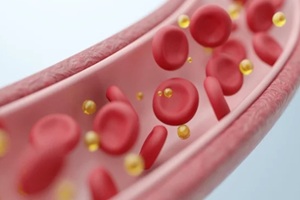 The harm from high cholesterol is cumulative, so the longer your levels stay elevated, the more time plaque has to build inside your arteries. This is why your age and your personal history both matter so much. One study found that every decade of mildly high cholesterol between ages 35 and 55 raised heart disease risk by close to 40%. In that same research, people who had high cholesterol for 11 to 20 years carried roughly double the heart disease risk of those exposed for a decade or less.
Plaque can begin forming as early as your teens and 20s, long before any heart disease becomes obvious. Because young adults usually feel fine, many skip screening and miss the window when problems are still small and easiest to manage. Research also shows that treating high cholesterol early in life lowers the odds of heart trouble by middle age.
How heart disease risk by age shifts in midlife and beyond
By your 40s, 50s, and 60s, higher cholesterol shows a strong connection to coronary heart disease, and this is often when other risk factors pile on. High blood pressure, diabetes, weight gain, and menopause can each combine with cholesterol to speed up artery damage. That stacking effect is why regular cholesterol screening matters more as you get older, since staying on top of your numbers keeps small problems from turning into serious ones.
After 65, triglycerides remain an important warning sign and carry particular weight for older adults and women when doctors assess heart risk. Treatment decisions at this stage work best when they weigh your full health picture along with your cholesterol numbers, so your provider can shape a plan around you.
Lipid panel testing and cardiovascular disease prevention
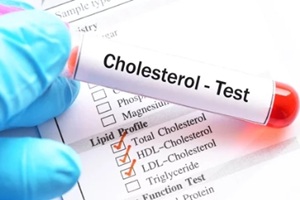
A lipid panel is a simple blood test that reports your total cholesterol, LDL, HDL, and triglycerides, giving your provider a clear read on your heart risk. Most guidelines suggest getting checked at least once in early adulthood and repeating it every few years, with closer monitoring if you have risk factors or a family history. Healthy habits help at every age, too.
A diet low in saturated and trans fats, regular exercise, a healthy weight, and avoiding tobacco can lower your LDL and triglycerides while supporting your HDL. When those changes are not enough on their own, your provider may suggest cholesterol-lowering medication such as a statin, especially if your risk is high.
If your results fall outside the healthy range, small and steady changes often move your numbers in the right direction over a few months. Acting early gives you the strongest chance to prevent heart attacks and strokes down the road.
Manage your cholesterol with Imperial Center Family Medicine
Imperial Center Family Medicine has cared for Triangle area families since 1999, and our providers can help you understand your numbers and build a prevention plan that fits your age and your health. With same-day appointments and an on-site Quest Diagnostics lab, getting a lipid panel and reviewing your results is quick and convenient.
Call us at 919-873-4437 or schedule an appointment online to take charge of your heart health today.