
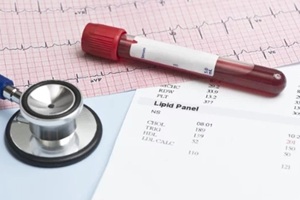
 A lipid panel hands you an LDL figure without much sense of whether it spells trouble, and most people leave the appointment unsure how concerned to be. Tracking that result through routine lab testing is one of the most reliable ways to catch cardiovascular risk before it can do serious damage.
This explanation covers what LDL cholesterol is, how high cholesterol and heart disease risk are connected, which factors push LDL levels up, and how a family medicine provider can help you manage your numbers.
Essential Takeaways
|
What Is LDL Cholesterol?
Your body needs some cholesterol to build cells and make hormones, but the way it moves through your bloodstream decides whether it is helpful or harmful. Because cholesterol does not dissolve in blood, it travels packaged inside carriers called lipoproteins.
Low-density lipoprotein, or LDL, drops cholesterol off along artery walls, which is how it earned the label bad cholesterol. High-density lipoprotein, or HDL, does the reverse by collecting extra cholesterol and carrying it back to the liver. When a provider compares your LDL vs HDL cholesterol, the worry is usually an LDL number climbing while HDL falls.
How High LDL Cholesterol Affects Your Heart and Your Numbers
When high LDL cholesterol stays elevated for years, the extra particles lodge into artery walls and harden into plaque that narrows the vessel and slows blood flow. If one of those deposits ruptures, a clot can form at the site and cut off circulation, which is what triggers most heart attacks and strokes. This kind of cholesterol and plaque buildup develops with no warning symptoms, so a cholesterol test is the only way to catch a rising LDL number before it causes a cardiac event.
A standard lipid panel reports LDL in milligrams per deciliter, or mg/dL. A level below 100 mg/dL is considered ideal for most adults, while people who have already had a heart attack or stroke are often managed to below 70 mg/dL. Recommended cholesterol levels by age and overall cardiovascular risk shift that target. Your provider weighs LDL alongside HDL, total cholesterol, triglycerides, and your personal risk factors before recommending a plan.
Who’s at Higher Risk for High LDL Cholesterol
Familial hypercholesterolemia, an inherited condition, drives the body to overproduce LDL from birth and tends to run in families with a history of early heart attacks. Age adds to the picture on its own, since LDL creeps upward over the decades, and women often see a noticeable rise around menopause.
Existing conditions raise the stakes further, because diabetes and high blood pressure both make elevated LDL more damaging to the heart, and chronic kidney disease has a similar effect. Since several of these heart disease risk factors sit outside anyone’s control, cholesterol screening matters even for people who feel healthy and have no symptoms.
How to Lower LDL Cholesterol
For many people, lowering LDL starts with eating less saturated fat and moving more. Cutting saturated fat and adding soluble fiber from foods such as oatmeal, beans, apples, and pears can bring LDL down over a matter of weeks, and weight management support often becomes part of a broader cholesterol management plan. When diet and activity are not enough on their own, your provider can review medication options with a strong evidence base for reducing heart attack and stroke risk.
Your Cholesterol Screening Results and What a Provider Does With Them
Your cholesterol test results report lists four numbers, and each one shapes how your provider reads the others. LDL carries the most weight in gauging cardiovascular risk, yet a normal LDL can sit next to an HDL below 40 mg/dL in men or below 50 mg/dL in women, a level treated as an independent warning sign for the heart. Total cholesterol blends the good and the bad, so a healthy-looking number can hide an elevated LDL. High triglycerides alongside high LDL cholesterol add more strain on the arteries.
Preventive care guidelines recommend cholesterol screening beginning in early adulthood, with more frequent testing for adults who already have elevated levels or several risk factors. Family medicine cholesterol care works well here because your provider already knows your history and can shape a management plan built around your specific numbers, not a generic target.
Schedule a Cholesterol Screening at Imperial Center Family Medicine
Imperial Center Family Medicine has cared for families across the Triangle since 1999, and our on-site Quest Diagnostics lab means you can complete your cholesterol screening and get results without a second trip. Same-day appointments are available for acute illness and injury, and a cholesterol follow-up can be arranged with a provider who already knows your history.
Call 919-873-4437 or schedule an appointment online to get started.