
Key Takeaways
 Dietary adjustments focusing on fiber-rich foods and healthy fats can reduce LDL cholesterol without prescriptions.
- Physical activity raises protective HDL cholesterol while supporting overall cardiovascular health.
- Stopping tobacco use and moderating alcohol intake produce immediate improvements in your cholesterol profile.
- Weight loss of even 5-10 pounds can significantly improve your cholesterol levels.
Perhaps your recent blood work shows elevated cholesterol levels, and you’re wondering if pills are inevitable. The answer depends on your specific numbers and overall health, but many people successfully manage their cholesterol through deliberate lifestyle adjustments. Knowing how different habits affect your cholesterol gives you practical tools to take control of your heart health.
How Your Body Manages Cholesterol
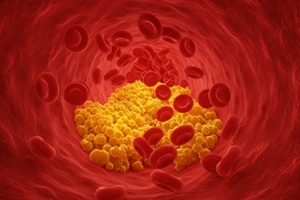
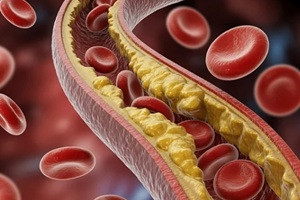
Your liver creates all the cholesterol your body requires for building cell membranes and producing essential hormones. Additional cholesterol comes from animal-based foods you eat. When these combined sources exceed what your body needs, the surplus travels through your bloodstream and can accumulate on artery walls.
LDL particles transport cholesterol throughout your body, but they tend to deposit it in your arteries. HDL particles help clean up by gathering excess cholesterol and returning it to your liver for disposal. Your cholesterol screening measures both types, along with triglycerides, to give your doctor a complete picture of your cardiovascular risk.
Dietary Strategies That Work
Soluble fiber mimics a sponge in your digestive tract, soaking up cholesterol before your body can absorb it. Oatmeal makes an excellent breakfast choice because one bowl provides 1-2 grams of this beneficial fiber. Adding berries or a banana increases that amount. Beans, lentils, and chickpeas are amazing sources of fiber that also keep you feeling satisfied longer.
Replacing butter and shortening with liquid vegetable oils makes a noticeable difference. Cooking with olive, canola, or sunflower oil instead of solid fats eliminates a major source of artery-clogging saturated fat from your meals. These oils contain unsaturated fats that actually help lower your LDL numbers.
Fatty fish deserve a regular spot on your weekly menu. Salmon, mackerel, and tuna deliver omega-3 fatty acids that reduce triglycerides and protect against dangerous heart rhythms. Eating fish twice a week helps you replace red meat portions while gaining cardiovascular benefits. For vegetarians, walnuts, flaxseeds, and chia seeds provide plant-based omega-3s.
Nuts offer another simple way to improve your cholesterol profile. Research shows that eating two ounces of almonds, walnuts, or peanuts daily can lower LDL by about 5%. Nuts contain additional nutrients that protect your heart through multiple mechanisms beyond just cholesterol reduction.
Moving Your Body for Better Results
 Physical activity addresses cholesterol from multiple angles. Regular movement helps you shed excess pounds, raises your protective HDL cholesterol, and strengthens your cardiovascular system. You don’t need to run a marathon or pass out in the gym to gain these advantages.
Walking remains one of the easiest but most effective exercises for cholesterol management. Aim for a pace that gets your heart beating faster but still allows conversation. Thirty minutes of brisk walking five days a week meets standard exercise recommendations and produces measurable improvements in your cholesterol panel.
Swimming provides an ideal alternative if joint problems make walking uncomfortable. Water supports your body weight while you work every major muscle group. Local community centers and YMCAs often offer affordable pool access. Start with 15-20 minute sessions and gradually extend your time in the water.
Resistance training complements aerobic exercise by building muscle mass and boosting your metabolism. Bodyweight movements such as squats and lunges require no equipment. Resistance bands and hand weights add variety without expensive gym memberships. Two weekly strength sessions help raise HDL and lower triglycerides.
Additional Lifestyle Factors
Tobacco use damages your cholesterol profile and your cardiovascular system in multiple ways. Quitting provides benefits that begin within hours. Your blood pressure and heart rate normalize within 20 minutes after smoking your last cigarette. Three months later, your circulation improves noticeably. One year after quitting, your heart disease risk drops by half.
Excess body weight contributes to elevated cholesterol levels even when you’re only carrying a few extra pounds. Losing 5-10 pounds through portion control and increased activity can produce meaningful improvements in your numbers. Focus on sustainable changes rather than crash diets that rarely work long-term.
Alcohol consumption requires careful consideration. Moderate drinking may slightly raise HDL cholesterol, but excessive alcohol increases triglycerides and blood pressure while adding empty calories that lead to weight gain. If you drink, stick to one daily serving for women or two for men.
Knowing When You Need More Help
Genetics influence how much cholesterol your liver produces and how efficiently your body clears it from your bloodstream. Some people inherit conditions that cause dangerously high cholesterol levels, no matter what their lifestyle is. These individuals need medication to prevent serious cardiovascular events.
Your doctor evaluates multiple factors when deciding whether changes to your lifestyle are sufficient. Your age, family history, existing health conditions, and specific cholesterol numbers all influence this decision. People with diabetes, previous heart attacks, or extremely elevated LDL often require medication from the start.
Making lifestyle changes and taking prescribed medications produces better results than doing just one or the other. The healthy habits you develop reduce the medication dose you need and provide protective benefits beyond cholesterol reduction.
Work With Imperial Center Family Medicine for Healthy Cholesterol Levels
 Imperial Center Family Medicine’s team has extensive experience serving Triangle-area families with complete primary care. We offer personalized cholesterol management that considers your complete health picture, not just your numbers. We provide same-day appointments for consultations and convenient on-site Quest Diagnostics lab testing.
Contact us at 919-873-4437 or online to schedule your cholesterol screening and develop a customized plan for achieving healthy levels.