
Key Takeaways
 Your body uses cholesterol to produce necessary hormones such as estrogen and testosterone, which decline naturally as you age.
- When hormone production drops during menopause or andropause, your body often compensates by making more cholesterol.
- Women typically see LDL cholesterol levels rise most noticeably between the ages of 55 and 65, about a decade after menopause begins.
- Men with declining testosterone may experience increases in LDL cholesterol alongside other metabolic changes.
- Paying attention to this hormone-cholesterol connection helps you work with your doctor to manage cardiovascular health during aging transitions.
If LDL cholesterol is climbing on your lab results after age 45, you might wonder what changed. It’s often the result of your shifting hormone levels. Your body depends on cholesterol as a raw material for manufacturing vital hormones, including estrogen, progesterone, and testosterone. As you age and hormone production naturally slows down, your body frequently responds by ramping up cholesterol production to try to maintain hormone balance.
This biological response makes sense from your body’s perspective, but it creates a health challenge you need to address proactively.
How Menopause Changes Women’s Cholesterol Profile
The transition into menopause brings significant shifts in how your body processes cholesterol. Starting in your mid-40s, as your ovaries gradually decrease estrogen and progesterone output, you’ll likely notice changes in your cholesterol readings over the following years.
Most women experience their highest total cholesterol levels between the ages of 55 and 65. During this window, your LDL cholesterol (often called “bad cholesterol”) tends to increase, whereas your HDL cholesterol either remains stable or declines slightly. You might also see triglycerides creep upward during this time.
Before menopause, your natural estrogen provides protective cardiovascular benefits by helping your liver clear bad cholesterol from your bloodstream more efficiently. Estrogen supports the liver’s ability to remove LDL cholesterol and helps maintain healthier blood vessel function. When estrogen levels decline, you lose these protective effects, which explains why cardiovascular disease risk increases substantially in the decade following menopause.
The timing matters more than you think. Women who enter menopause early (before age 45) have an elevated cardiovascular risk earlier than women who experience menopause at typical ages. This early hormonal shift means earlier cholesterol changes and a longer period of exposure to less favorable cholesterol levels.
Testosterone Decline in Men Creates Similar Patterns
Men experience a more gradual hormone shift called andropause, where testosterone production steadily decreases with age. While this decline occurs more slowly than the menopausal transition in women, the metabolic consequences can be similar.
When your testosterone levels drop, you may develop higher LDL cholesterol, elevated triglycerides, and lower HDL cholesterol. These changes often cluster together with other metabolic shifts, including increased belly fat, insulin resistance, and higher blood pressure. The combination creates a cardiovascular risk profile that requires attention.
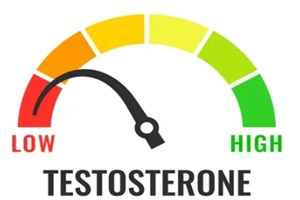 Men with significantly low testosterone levels tend to show the most pronounced cholesterol changes. However, research shows that obesity and metabolic syndrome frequently cause low testosterone rather than the other way around, which complicates the picture. If you’re carrying extra weight, particularly around your midsection, this contributes to both lower testosterone and worse cholesterol readings.
Why Your Body Makes More Cholesterol When Hormones Drop
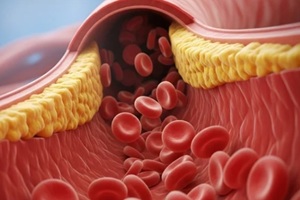
Here’s what happens inside your body during these hormonal transitions: Your ovaries or testes produce less estrogen or testosterone, so your body attempts to provide more building blocks (cholesterol) to support continued hormone production. Unfortunately, without properly functioning reproductive organs, this extra cholesterol can’t efficiently convert into the hormones you need.
The result? Your cholesterol levels rise while your hormone levels continue falling. Your liver ends up retaining more LDL cholesterol because the normal clearance mechanisms that rely on adequate estrogen or testosterone aren’t working as effectively.
This explains why simply treating elevated cholesterol without considering your hormonal status might miss important context. Your rising bad cholesterol readings after age 50 aren’t just about diet or exercise. They’re partly a biological response to major hormonal changes your body is experiencing.
Both Sexes Need Both Hormones
You might think of testosterone as strictly a male hormone and estrogen as female-only, but that’s oversimplified. Women produce and need testosterone throughout life for bone strength, muscle maintenance, energy levels, and cognitive function. Men also produce estrogen through the conversion of testosterone, and this estrogen plays important roles in their bone health and cholesterol metabolism.
When women lose not just estrogen but also experience testosterone decline during menopause, the combined effect contributes to metabolic changes, including cholesterol shifts. Similarly, when men’s testosterone drops, they lose not only testosterone’s direct effects but also the estrogen produced from that testosterone.
Managing Cholesterol During Hormonal Transitions
Comprehending the hormone-cholesterol connection means you can take a more comprehensive approach to cardiovascular health as you age. Beyond standard lifestyle modifications such as improving diet and increasing exercise, you may benefit from discussing your hormonal status with your healthcare provider.
Some people find that addressing hormonal imbalances through appropriate medical management helps improve their overall metabolic profile, including cholesterol levels. However, cholesterol control remains important regardless of hormone status, so your doctor may recommend cholesterol-lowering medications when lifestyle changes aren’t sufficient.
Regular monitoring becomes especially important during these transitional years. Women should typically have cholesterol checked around the time of menopause and then regularly thereafter. Men experiencing symptoms of low testosterone or metabolic changes should discuss comprehensive metabolic screening, including both hormone and cholesterol testing.
Get Complete Care at Imperial Center Family Medicine
 Imperial Center Family Medicine’s team knows that managing cholesterol during midlife requires looking at your complete health picture, including how hormonal changes affect your cardiovascular risk. Since 1999, our experienced team has helped Triangle area families address the interconnected aspects of aging, metabolism, and preventive care.
We offer same-day appointments for acute concerns and work with our on-site Quest Diagnostics lab to provide convenient testing and faster results for cholesterol and hormone monitoring. Our privately-owned practice focuses on building long-term relationships that support your health through every life transition. Contact us today at 919-873-4437 or online to talk about your cholesterol management strategy.