
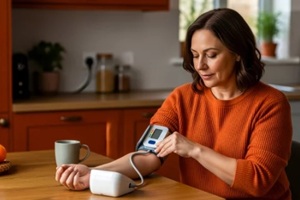
 Your blood pressure reading includes two figures that are measured in millimeters of mercury. When your reading falls below 90/60 mmHg, healthcare professionals classify it as low blood pressure or hypotension. However, this number alone doesn’t tell the whole story about your health.
Many people function perfectly well with readings in this range and experience no problems whatsoever. Low blood pressure treatments become necessary only when you start noticing symptoms that interfere with your daily activities. These symptoms signal that your organs might not be receiving adequate blood flow, which means it’s time to take action.
Common Indicators That Your Blood Pressure Is Too Low
You’ll know your blood pressure needs attention when certain symptoms start appearing. Lightheadedness and dizziness rank among the most common indicators, especially when you stand up quickly or change positions. You might also notice difficulty concentrating on tasks, unusual fatigue that doesn’t improve with rest, or vision that becomes blurry or distorted without explanation.
Some people experience nausea or feel unsteady on their feet. In more serious situations, you might faint or feel close to fainting. These symptoms deserve your attention because they indicate that blood flow isn’t reaching your brain and other organs effectively.
Increase Your Salt Intake Carefully
Adding more salt to your diet represents one of the most effective low blood pressure treatments available. Sodium helps your body retain fluids, which increases blood volume and raises pressure levels. This approach works particularly well if your typical salt consumption runs on the lower side.
You can incorporate more sodium through foods such as olives, canned soups, pickles, and condiments, including mustard or soy sauce. But you need to get the balance just right because too much sodium can create other health problems, particularly heart issues. Talk with your healthcare provider about how much additional salt makes sense for your specific situation before making significant dietary changes.
Stay Properly Hydrated Throughout the Day
Drinking enough water helps maintain adequate blood volume, which directly affects your blood pressure levels. When you’re dehydrated, there’s less blood moving through your body, causing your pressure to drop and symptoms to appear.
Make water your primary beverage, and try to drink it consistently throughout the day rather than consuming massive quantities at once. You’ll immediately notice how different you feel when you maintain steady hydration levels. Make sure that you’re particularly careful about how much fluid you take in when you are exercising, during hot weather, or any time you’re sweating more than usual.
Limit or Eliminate Alcohol Consumption
Alcoholic beverages can drop your blood pressure for up to 12 hours after you drink them. Even moderate drinking affects your blood pressure and can undermine your efforts to raise it naturally. If you experience symptoms of low blood pressure, reducing or stopping alcohol consumption represents an important step in managing your condition.
Adjust Your Eating Patterns
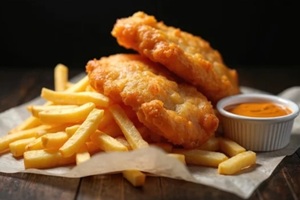 The size and composition of your meals influence your blood pressure more than you might realize. If you’re eating large, heavy meals, you might find that your blood pressure drops significantly because your body is sending you blood to help digest your food. You can prevent these drops by eating smaller meals more frequently throughout the day instead of the traditional three larger meals.
Additionally, limiting foods high in carbohydrates, such as pasta, rice, bread, and potatoes, helps prevent the blood pressure decreases that often follow carb-heavy meals. These changes can significantly impact how you feel.
Use Compression Stockings for Better Circulation
Compression stockings work by preventing blood from pooling in your lower legs and feet. This improved circulation keeps more blood available for your upper body and brain, which helps maintain healthier pressure levels and reduces symptoms.
These specialized stockings also provide relief if you deal with varicose veins or leg discomfort. Some people prefer compression belts worn around the abdomen, which provide similar benefits. Either option can serve as an effective tool in your low blood pressure treatment plan.
Make Position Changes Slowly and Deliberately
Standing up too quickly from sitting or lying down often triggers sudden drops in blood pressure. Your heart needs time to adjust blood flow when you change positions, and moving too fast doesn’t give your cardiovascular system adequate time to respond.
Practice getting up more gradually, pausing briefly between sitting and standing. If you notice symptoms starting when you stand, try crossing your legs tightly or placing one foot on a step while leaning forward. These maneuvers help push blood from your legs back toward your heart.
Build Lower Body Strength Through Exercise
Regular physical activity strengthens your cardiovascular system and increases blood volume. Focus on lower-body exercises such as walking, cycling, swimming, and rowing. These activities help your body manage blood pressure more effectively over time.
Start gradually if you’re not currently active, and choose exercises you can do comfortably. If standing exercises prove difficult, try stationary bikes or exercises you can perform while lying down. Aim for moderate activity most days of the week while avoiding exercise in hot or humid conditions that might trigger symptoms.
Imperial Center Family Medicine Provides Complete Blood Pressure Care
 Imperial Center Family Medicine offers thorough evaluation and management of blood pressure concerns, including personalized guidance on natural approaches to raising low blood pressure safely and effectively.
Our experienced providers work with you to identify the underlying causes of your symptoms and develop a treatment plan that fits your specific needs and health goals. Contact us today at 919-873-4437 or schedule online appointment to get the support you need for better blood pressure management.