
Key Takeaways
 Drinking plenty of fluids keeps your blood volume stable, so your brain receives a constant supply of oxygen.
- Moving gradually between sitting and standing positions gives your circulation time to adjust.
- Smaller meals prevent blood from rushing to your digestive system simultaneously.
- Salt intake helps your body retain fluids that support healthy pressure levels.
- Compression garments assist upward blood flow when you’re on your feet.
Your brain needs continuous oxygen delivery to work properly. When blood pressure falls below 90/60 mm Hg, circulation slows down, and your brain receives less oxygen than it needs. You start feeling woozy or unsteady because your nervous system detects this shortage. In more serious drops, you might lose consciousness completely.
Falls from fainting create real dangers, including broken bones, head trauma, and other injuries that can change your life. But you can take practical actions today to keep your circulation steady and reduce these frightening episodes.
Drink Water Consistently
Your bloodstream requires sufficient water to flow properly. When dehydration reduces your blood volume, pressure naturally declines. You become more susceptible to symptoms, particularly during warm months or following workouts.
Instead of chugging huge amounts occasionally, sip water steadily from breakfast through dinner. Carry a reusable bottle everywhere you go. Your body absorbs fluids better with consistent intake than with irregular, large doses.
Watch your urine color as a hydration guide. Pale yellow typically indicates proper hydration, while darker urine suggests you need more fluids. Skip alcohol or limit it carefully since it temporarily lowers pressure even further.
Increase Sodium Sensibly
Most health advice tells people to cut back on salt, but your situation might be different. Sodium makes your kidneys retain extra fluid, boosting blood volume and raising pressure readings. This dietary adjustment often substantially reduces dizziness.
Check with your doctor before changing your salt habits, particularly if you manage other medical conditions. Once approved, season your food more liberally or choose naturally salty options. Canned soups, deli meats, crackers, and salted nuts all deliver sodium that can help.
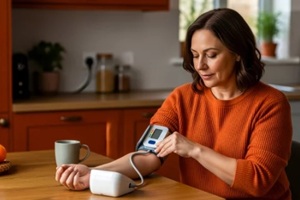 Your provider will suggest an appropriate sodium amount based on your complete health picture. Following their specific guidance prevents you from overdoing it while still getting the low blood pressure treatment benefits you need.
Move Slowly When Changing Positions
Jumping up quickly from your chair or bed is a recipe for dizziness. Gravity instantly brings blood down into your legs, temporarily starving your brain of oxygen. Your heart needs several seconds to compensate by pumping harder.
Build transition time into position changes. From lying down, first sit upright and count to 30 before standing. From sitting, rise gradually while holding onto something sturdy. Wait until you feel completely steady before taking steps.
Morning hours are particularly risky since pressure tends to be lowest after sleep. Allow yourself extra minutes during your morning routine rather than rushing through movements.
Switch to Frequent Small Meals
Big meals demand massive blood flow to your stomach and intestines for digestion. This internal redistribution means less blood reaches your brain, often causing pressure to plummet within 60-90 minutes of eating. You end up feeling weak and dizzy right when you hoped to feel energized.
Spreading your food across five or six light meals solves this problem. Your digestive system handles smaller amounts without pulling blood away from other organs. You maintain better overall circulation and more stable energy.
Carbohydrate-heavy meals cause sharper pressure drops than balanced plates. Build meals around vegetables, proteins, and healthy fats instead of filling up on bread, rice, or sugary items.
Try Compression Stockings
These specialized socks squeeze your legs gently, preventing blood from pooling in your lower extremities. The upward pressure helps circulation return blood to your heart and brain more effectively. Many people notice fewer symptoms when wearing them during active hours.
You’ll find various compression strengths at drugstores. Start with lighter options and adjust based on your results. Put them on before getting out of bed for the best effects throughout your day.
They’re especially valuable if your work keeps you standing for hours. The consistent squeeze maintains circulation even when gravity works against you.
Know When Professional Care Is Necessary
Lifestyle changes work well for mild cases, but frequent or severe episodes deserve medical evaluation. Repeated dizziness might signal heart rhythm problems, medication interactions, anemia, or hormonal imbalances that require professional treatment for low blood pressure.
Schedule an appointment if you have frequent dizzy spells or have fainted even once. These aren’t symptoms to dismiss since they indicate inadequate brain oxygen.
Seek emergency care immediately for dizziness combined with chest pain, confusion, rapid pulse, or breathing difficulty. These warning signs could be evidence of a heart attack, stroke, or other serious conditions.
Your doctor can test for underlying causes and review your current medications. Sometimes simple adjustments to prescriptions eliminate the problem entirely.
Get Expert Care at Imperial Center Family Medicine
 Imperial Center Family Medicine has served Triangle area patients since 1999, helping families understand and manage blood pressure concerns through detailed evaluations and personalized care plans. Our experienced providers can identify why you’re experiencing symptoms and develop practical solutions that fit your daily routine.
With on-site Quest Diagnostics lab services, we quickly check for treatable conditions affecting your pressure. Contact us at 919-873-4437 or online to schedule an appointment and get the guidance you need for safer, steadier days ahead.