
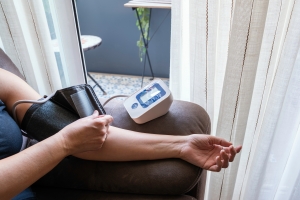
 A blood pressure reading that looks fine in the exam room can hide a different story at home, where your numbers shift throughout the day. That gap is one reason a home blood pressure monitor has become such a useful tool for managing high blood pressure. When you use it correctly, it shows how your body responds to medication, food, stress, and sleep between office visits. Sloppy technique can also produce numbers that spark needless worry or false comfort. The good news is that getting accurate readings comes down to a few simple habits.
Essential Takeaways
|
Choosing the Right Home Blood Pressure Monitor
Start with the device itself. An automatic cuff that wraps around your upper arm is the most dependable choice for home use, while wrist and finger gadgets tend to produce shakier results. You should get a cuff that fits properly, too. A cuff that is too small can push your reading artificially high, and one that runs too large can read falsely low. Take measurements around your upper arm, making sure it’s bare, and match that number to the cuff sizing on the box. Look for a model that has been tested for accuracy by a recognized heart or hypertension organization, and bring it to your next visit so your care team can compare it with the office equipment. A practice that addresses blood pressure can help you confirm that your monitor reads accurately.
Set Yourself Up Before You Check
What you do in the half hour before a reading affects the result as much as the device does. Avoid exercise, coffee, and cigarettes for at least 30 minutes before testing, as each can temporarily raise your numbers. Also, if you have a full bladder, it can nudge the readings upward, so make sure to go to the bathroom first. Then sit quietly for three to five minutes with no talking, scrolling, or eating. Roll up your sleeve or remove your shirt so the cuff rests against bare skin.
Position Your Body and Arm Correctly
 How you sit changes your numbers more than most people expect. Settle into a chair with your back supported and both feet flat on the floor, legs uncrossed. Rest your arm on a table so the cuff sits level with your heart, propping it on a pillow if you need the height. Keep your palm up, your shoulder loose, and your arm still. Stay quiet during the measurement because talking or shifting around can bump a reading higher.
Place the Cuff and Take the Reading
Wrap the cuff around your bare upper arm with the bottom edge about an inch above the crease of your elbow, lining up the cuff’s marker over the inside of your arm. Tighten it so you can slide two fingertips underneath, firm but not pinching. Press start, sit still, and let the monitor inflate and deflate on its own. If it shows an error, relax for a minute or two, reposition the cuff, and try again.
Best Time to Check and How Often
When you first start checking blood pressure at home, take it twice a day for a week, once in the morning and once at night. Morning readings work best within an hour of waking, before coffee, food, or your medication. Each time, take two readings a minute or two apart and record both, since a single number rarely tells the whole story. Once your readings settle into a steady range, your provider may suggest cutting back to a few days a week.
Know Your Numbers and When to Call
Keep a simple log with the date, time, and both numbers, and bring it to every appointment so your provider can spot patterns and fine-tune treatment. Many people aim for readings near 120/80 mmHg, though your personal target depends on your age and overall health, and seeing how your readings line up with the stages of high blood pressure helps that conversation. Get medical help right away if you ever read 180/120 mmHg or higher or experience chest pain, trouble breathing, or sudden weakness.
Why Low Readings Deserve Attention Too
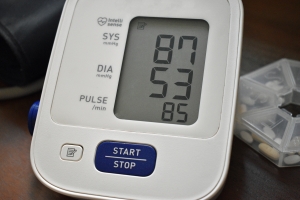 High numbers get most of the attention, yet a home monitor also catches the opposite problem. Readings that fall below 90/60 mmHg can leave you dizzy, faint, or foggy as less blood reaches your brain. Because several things can cause low blood pressure, such as dehydration or certain medications, jot down any symptoms next to the numbers and share them with your provider rather than adjusting anything on your own.
Take Control of Your Blood Pressure with Imperial Center Family Medicine
Accurate home readings work best when paired with a care team that knows your history. The providers at Imperial Center Family Medicine help you choose a reliable monitor, check it against in-office equipment, and turn your daily numbers into a plan that fits your health. With same-day appointments and an on-site Quest Diagnostics lab, you get answers without the wait. Call 919-873-4437 or schedule online to put your readings to work for you.