
Key Takeaways
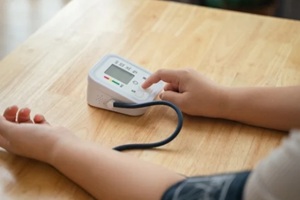 Chronic low blood pressure remains consistently below 90/60 mm Hg but often causes no symptoms and requires no treatment.
- Sudden drops in blood pressure constitute medical emergencies that can prevent vital organs from receiving adequate blood flow.
- Orthostatic hypotension occurs when blood pressure falls upon standing and affects over 30% of people older than 70.
- Treatment approaches differ dramatically based on whether hypotension develops gradually or appears suddenly.
- Recognizing warning signs helps determine when low blood pressure requires immediate medical attention.
When your blood pressure drops below 90/60 mm Hg without causing any problems, you might not even realize it’s happening. However, when blood pressure plummets suddenly and prevents your brain, heart, and other organs from getting enough oxygen-rich blood, you’re experiencing a potential medical emergency that demands quick action.
What Defines Chronic Low Blood Pressure
Your body might function perfectly well with blood pressure that stays consistently low. Many athletes and physically active individuals maintain readings below the standard range without experiencing any negative effects. This happens because their cardiovascular systems have adapted to pump blood efficiently at lower pressures.
Chronic hypotension becomes part of your baseline when your body compensates naturally. Your heart rate, blood vessel tone, and fluid balance work together to maintain adequate circulation to all your organs. You won’t notice dizziness, fatigue, or other symptoms because your brain and vital organs receive all the blood flow they need.
Some people inherit a tendency toward lower blood pressure readings. Others develop chronically low readings through regular exercise and healthy lifestyle habits. As long as you feel well and can carry out daily activities without problems, this type of hypotension doesn’t require low blood pressure treatment.
How Sudden Drops Create Medical Emergencies
A rapid decrease in blood pressure introduces entirely different concerns. When your blood pressure falls quickly, even by just 20 mm Hg in the systolic number, your organs may not receive adequate blood supply. This creates an urgent situation where tissues start suffering from insufficient oxygen and nutrients.
Sudden hypotension can result from severe dehydration, significant blood loss, serious infections that enter your bloodstream, or life-threatening allergic reactions. Your heart might also cause rapid pressure drops if it develops an irregular rhythm or stops pumping effectively. These situations require immediate low blood pressure treatment to prevent organ damage.
The speed of the drop matters as much as the actual numbers. Your body has trouble adjusting to sudden drops in pressure. That’s why someone whose blood pressure normally sits at 120/80 mm Hg might experience serious symptoms with a drop to 100/60 mm Hg, while another person functions normally at that same reading.
Comprehending Orthostatic Hypotension

This specific type of low blood pressure happens when you stand up after sitting or lying down. Your blood pressure should drop briefly as gravity pulls blood toward your legs, but your body normally compensates within seconds by constricting blood vessels and increasing heart rate.
Orthostatic hypotension occurs when this compensatory mechanism fails. Your pressure remains low for more than three minutes after standing, with the systolic number dropping at least 20 mm Hg and the diastolic falling 10 mm Hg or more. You’ll likely feel dizzy, lightheaded, or even faint as your brain temporarily receives less blood.
Aging affects this condition significantly. While only 5% of 50-year-olds experience orthostatic hypotension, more than 30% of people over 70 deal with it regularly. Certain medications, dehydration, and prolonged bed rest make the problem worse. Standing up slowly and staying well hydrated help manage symptoms, but persistent cases require medical evaluation for proper low blood pressure treatment.
Recognizing Symptoms That Demand Attention
Chronic hypotension without symptoms rarely needs treatment, but you should let your doctor know if you start noticing new problems. Warning signs include lightheadedness when standing, unusual fatigue, trouble concentrating, or blurred vision.
Sudden hypotension requires emergency care. Get immediate help if you or someone nearby experiences severe dizziness leading to fainting, develops confusion or mental changes, reports chest pain or breathing difficulty, shows cold and clammy skin, or has a rapid but weak pulse. These symptoms indicate that organs aren’t receiving adequate blood flow.
Falls pose the biggest risk with any type of hypotension. Dizziness and fainting can cause serious injuries, particularly head trauma and broken bones. Taking precautions to prevent falls becomes essential when managing low blood pressure.
Customizing Treatment to Your Specific Situation
Low blood pressure treatment depends entirely on what’s causing your readings and whether you have symptoms. Chronic hypotension without problems needs no intervention, since your body has already adapted successfully.
When symptoms develop, treatment focuses on the underlying cause. You might need medication adjustments if your blood pressure pills work too well. Increasing salt intake and drinking more water help some people raise their blood pressure naturally. Compression stockings push blood upward from your legs and may reduce dizziness when standing.
Sudden hypotension requires aggressive emergency treatment. Healthcare providers give intravenous fluids to increase blood volume, administer medications to constrict blood vessels and raise pressure, or provide treatments targeting the specific cause, such as antibiotics for infections or blood transfusions for hemorrhaging.
Trust Imperial Center Family Medicine for Blood Pressure Management
 Imperial Center Family Medicine’s experienced providers have served Triangle-area families since 1999, offering complete care for both chronic and acute blood pressure concerns. Our team provides same-day appointments when you develop worrisome symptoms and works with you to create personalized management plans that fit your lifestyle.
No matter if you need routine blood pressure monitoring, help comprehending your readings, or guidance on when symptoms require immediate attention, we’re here to support your cardiovascular health. Contact us today at 919-873-4437 or schedule online to discuss your blood pressure concerns with our knowledgeable providers.