
Essential takeaways
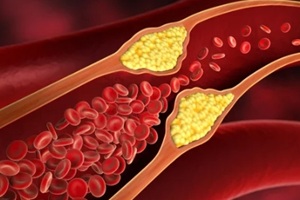 Too much cholesterol in your blood encourages fatty deposits to build up inside your arteries.
- LDL (“bad”) cholesterol causes buildup; HDL (“good”) cholesterol helps clear it away.
- You won’t feel symptoms, so a blood test is the only way to check your levels.
- Eating well, staying active, and dropping tobacco use can all improve your numbers.
- A provider can read your results and create a treatment approach that works for you.
High cholesterol rarely announces itself with obvious warning signs. Most people feel perfectly fine as fatty deposits slowly accumulate inside their arterial walls, restricting the flow of blood to the heart and brain. Left unchecked, that gradual narrowing can lead to a heart attack or stroke, often without any advance symptoms.
And because high cholesterol affects roughly 94 million U.S. adults, according to the CDC, knowing what your numbers mean and how to manage them is one of the most practical things you can do for your long-term health.
How LDL, HDL, and Triglycerides Affect Your Body
Cholesterol is a waxy, fat-based substance your body actually needs. Your liver manufactures it for cell construction and hormone production. You also consume cholesterol whenever you eat animal-based foods, including meat, eggs, and dairy. Problems develop when levels climb beyond what your body can use.
Your blood carries cholesterol inside protein shells called lipoproteins, and the two primary types behave very differently. Low-density lipoprotein (LDL) is labeled the “bad” type because it leaves fatty residue along the inside walls of your arteries. Over time, that residue, called plaque, stiffens and narrows the space blood flows through, reducing delivery to your heart and brain.
High-density lipoprotein (HDL) does the opposite. It functions as a removal service, gathering leftover cholesterol from the bloodstream and ferrying it to the liver for processing and disposal. The more HDL you have, the better protected you are against heart disease.
A lipid panel will also report your triglyceride level, which measures a different blood fat unrelated to cholesterol itself. When triglycerides run high alongside elevated LDL and low HDL, your cardiovascular risk goes up considerably.
What Causes High Cholesterol to Develop
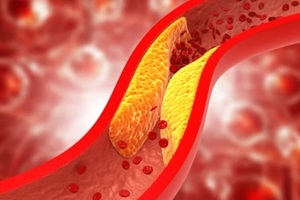 Several factors shape your cholesterol levels, and some are within your control. A diet high in saturated fat, such as red meat, butter, full-fat cheese, and whole milk, tends to drive LDL upward. Trans fats hiding in packaged baked goods and snack foods do the same. Sitting for long stretches without much movement also plays a role, since exercise is one of the strongest tools for boosting your HDL.
Your family history matters, too. If a parent or sibling has struggled with elevated cholesterol, you’re at higher risk yourself. An inherited condition called familial hypercholesterolemia can cause extremely high LDL from childhood onward and typically requires early medical treatment.
Health issues such as diabetes, an underactive thyroid, kidney problems, and sleep apnea can also raise your levels. And certain prescription drugs for unrelated conditions sometimes shift cholesterol as a side effect.
How High Cholesterol Is Diagnosed
Since high cholesterol produces no symptoms, the only reliable detection method is a blood draw known as a lipid panel. The American Heart Association recommends initial screening for children at ages 9 through 11, followed by retesting every five years. For most adults, testing every four to six years is appropriate, though anyone with added risk factors should check in more frequently. Annual screening is generally advised once you pass the age of 65.
The lipid panel reports four numbers, namely total cholesterol, LDL, HDL, and triglycerides. Healthy benchmarks to aim for include a total reading under 200 mg/dL, LDL under 100 mg/dL, HDL of 60 mg/dL or higher, and triglycerides below 150 mg/dL.
Your provider can put these results in context and tell you whether any values need attention. For a deeper look at when and how frequently to schedule testing, check out this guide on cholesterol testing guidelines by age and risk level.
Practical Steps to Lower Your Cholesterol
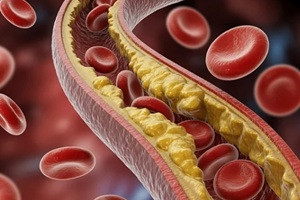 Steady, manageable changes in your daily habits can move your cholesterol numbers in the right direction. The American Heart Association’s Life’s Essential 8 program identifies several practices tied directly to better heart health, and many of them influence cholesterol.
Food is a good place to begin. Building meals around vegetables, fruits, whole grains, beans, nuts, and lean proteins, especially fish, supports lower LDL over time. Swapping saturated fats for healthier alternatives, such as olive oil or fatty fish, also helps shift your readings in a positive direction.
Getting your body moving makes a measurable difference, too. Aiming for 150 minutes of moderate activity per week, such as quick walks, bike rides, or swimming, can raise HDL and bring LDL down. If you currently smoke, stopping is one of the fastest ways to see improvement, because tobacco use suppresses HDL and accelerates artery damage.
For some people, healthy habits alone won’t bring their numbers where they need to be. In those cases, a healthcare provider may add medication to the plan. Statins are the most widely used prescription for high cholesterol and work by slowing cholesterol production in the liver. Others may need a mix of prescribed treatment and daily habit changes to hit their target range.
Since your numbers can shift over time for a variety of reasons, consistent follow-up appointments matter. Read more about what causes cholesterol levels to change and how to stay ahead of those shifts.
Imperial Center Family Medicine Can Help With Your Cholesterol Numbers
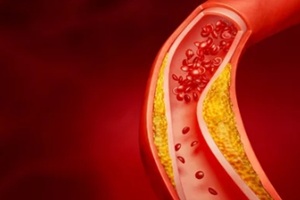
Getting your high cholesterol under control starts with knowing where you stand. Imperial Center Family Medicine’s healthcare providers work with you to interpret your lipid panel results, identify your specific risk factors, and build a management plan that fits your life.
Our practice has supported Triangle-area families since 1999, and as a privately owned office, every visit is focused on your individual needs rather than a one-size-fits-all approach. On-site Quest Diagnostics lab services mean you can get your blood drawn and your results reviewed in the same location.
Contact us at 919-873-4437 or schedule your cholesterol screening online and take the next step toward better heart health.