
 Getting cholesterol results back without any real explanation is more common than it should be. You open the portal, see a column of figures next to reference ranges, and maybe a flag or two in red, none of it explained.
If your bloodwork included a lipid panel, knowing what each measurement tracks gives you something concrete to discuss with your provider instead of just hoping the numbers look okay.
Hyperlipidemia refers to abnormally high fat levels circulating in the blood, most commonly involving cholesterol and triglycerides. Four separate values show up on a standard lipid panel, and they do not all point to the same thing. Reading one without the others gives you an incomplete picture.
What Your Lipid Panel Results Include
The fasting requirement before a lipid draw is not arbitrary. Food, particularly anything high in fat or sugar, moves cholesterol and triglyceride concentrations away from your true baseline, sometimes enough to make a borderline result look clearly abnormal. Nine to twelve hours without eating gives the blood a chance to settle, and providers who suspect an unfasted draw will often ask you to return rather than act on the numbers.
Lipid panel values are measured in milligrams per deciliter, written as mg/dL throughout the report. That figure represents how much of each substance is circulating per unit of blood volume. More useful than any single reading is what happens to those numbers over several years, whether they are holding steady, creeping up, or responding to changes in your habits or treatment.
LDL Cholesterol: The Value That Gets the Most Attention
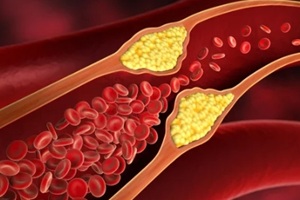
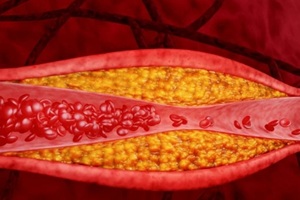
Low-density lipoprotein carries cholesterol out of the liver and into the body’s tissues. Under normal conditions, that is a necessary function. Problems develop when LDL levels run higher than the body can use, because the surplus gets deposited along the inner walls of arteries. Plaque forms at those sites over years, progressively narrowing the channel blood flows through and raising the probability of a heart attack or stroke.
According to the American Heart Association, an LDL reading below 100 mg/dL is considered optimal for most adults, with the 100 to 129 mg/dL range classified as near-optimal. From 130 to 159 mg/dL is borderline high, 160 mg/dL and above is high, and readings above 190 mg/dL are the point at which providers routinely bring medication into the conversation alongside any lifestyle changes.
That 100 mg/dL benchmark is not universal. Patients with existing heart disease, diabetes, or several compounding cardiovascular risk factors are often given a lower target by their provider. A result that falls within standard reference ranges can still call for intervention depending on what else is in your health history.
HDL Cholesterol: Why Higher Is Better
High-density lipoprotein runs a different circuit. Where LDL carries cholesterol toward the body’s tissues, HDL works in reverse, collecting excess cholesterol from the bloodstream and arterial walls and transporting it back to the liver for processing. That removal function is the reason HDL is described as the protective type, and why a higher number on your report is a better outcome.
 The NHLBI reports that HDL below 40 mg/dL in men and below 50 mg/dL in women corresponds with greater cardiovascular risk, while a reading at or above 60 mg/dL is considered cardioprotective. Among the practical ways to move HDL upward, regular aerobic exercise has one of the strongest track records, with documented gains of 3 to 9 mg/dL over time. Smoking consistently lowers HDL, and HDL tends to rebound after someone quits.
Total Cholesterol: The Broadest Number on the Report
The total cholesterol figure combines LDL, HDL, and a calculated fraction of triglycerides into one number. The CDC classifies total cholesterol below 200 mg/dL as desirable, places the borderline high range between 200 and 239 mg/dL, and flags 240 mg/dL and above as high.
That top-line number needs context before it means anything useful. A high total driven primarily by strong HDL puts someone in a different position than the same total driven by high LDL. Many reports include a total-to-HDL ratio alongside the individual values, and that ratio can signal cardiovascular risk more clearly than the combined figure alone.
Triglycerides: The Value That Responds Most to Daily Habits
Unused calories get converted into triglycerides and stored in fat cells, and what you eat influences it more than most other lipid values. Refined carbohydrates and added sugars push readings up in the hours following a meal, which is why blood drawn without fasting can overstate where your numbers actually sit day to day. When values stay elevated even with fasting, the usual culprits are dietary patterns, alcohol consumption, low activity levels, or glucose metabolism issues.
The American Heart Association sets normal at below 150 mg/dL, with borderline high from 150 to 199 mg/dL and high from 200 to 499 mg/dL. Once levels reach 500 mg/dL or above, the risk picture broadens beyond the cardiovascular system to include pancreatitis, which makes that threshold one that generally requires prompt follow-up.
When triglycerides run high alongside low HDL and elevated blood sugar, the combination points toward broader metabolic dysfunction rather than an isolated lipid issue. That pattern warrants a closer look at blood pressure and diabetes screening as part of the same conversation.
How Your Provider Uses These Numbers Together
Your provider places your cholesterol results alongside blood pressure, blood sugar, body weight, age, smoking history, and cardiac events in your close relatives. These are entered into a risk calculator to produce a ten-year event likelihood estimate, to gauge whether lifestyle changes are sufficient or whether you need a medication plan.
Family history is more important than people often realize. A parent or sibling who had a cardiac event before age 55 (for men) or before 65 (for women) is a meaningful flag. Family history can also point toward familial hypercholesterolemia, a genetic condition in which LDL climbs past 190 mg/dL, and can frequently go undetected until a routine panel brings it to light.
Preventive care appointments are the right setting for this kind of review, because your provider cannot assess trends without a baseline. Annual lipid screening is worth building into your routine even when you feel healthy.
Understand Your Hyperlipidemia Lab Results With Imperial Center Family Medicine
Imperial Center Family Medicine has been caring for Triangle-area patients since 1999. The on-site Quest Diagnostics laboratory processes bloodwork quickly, so your provider can review results with you at the same visit. Same-day appointments cover acute needs, and the care team manages ongoing conditions including blood pressure control and lipid-related concerns.
Call 919-873-4517 or reach out online to schedule your lipid panel and review your results with a provider who has your full health history in front of them.