 The weeks before a follow-up appointment are a great window to lower systolic blood pressure, and management is more achievable when changes fit your current weekly rhythms.
What follows are the lifestyle changes for blood pressure with real research behind them, roughly how many points each is tied to, and what to clear with a provider first.
What Your Systolic Number Means
Systolic, the top number on your reading, reflects the pressure inside your blood vessels when your heart pushes blood out. The American Heart Association (AHA) recommends watching this reading closely after age 50, since the larger arteries lose their give and plaque has had years to build up. On the AHA’s blood pressure categories, 120 to 129 counts as elevated as long as the bottom number stays below 80.
High systolic blood pressure usually doesn’t change how you feel, so you need a cuff to find out. Close to half of U.S. adults have hypertension, based on hypertension data from the Centers for Disease Control and Prevention (CDC), and only about 1 in 4 of them have it under control. Plenty of the heart disease risk factors behind those figures are daily habits, such as sitting for hours or drinking heavily.
Aerobic Activity Can Lower the Top Number
For people with hypertension, regular exercise is worth roughly 5 to 8 mm Hg in Mayo Clinic’s lifestyle guidance. The weekly goal is 150 minutes of moderate effort, and five half-hour brisk walks are a simple way to reach that goal.
If you stop exercising, the pressure may drift back up, so pick something you can stick with. Talk with a provider before increasing your activity level. Chest discomfort, lightheadedness, or getting winded far too fast during a workout is also a reason to reach out to your provider.
Food Choices and Sodium Can Shift Your Numbers
Under the DASH eating plan from the National Heart, Lung, and Blood Institute (NHLBI), fruits, vegetables, whole grains, and beans make up most of your diet, with low-fat dairy and less saturated fat and sugar. Start with a single lunch each week. A lentil and brown rice bowl in place of a deli sandwich is plenty.
The AHA sets the limit at 2,300 mg of sodium a day and recommends most adults stay near 1,500 mg, according to its sodium guidance. The average American eats over 3,400 mg, though cutting even 1,000 mg daily helps. Packaged, prepared, and restaurant food account for more than 70% of that intake, so reading labels on bread, deli meat, and canned soup matters more than skipping the salt shaker.
Eating more potassium can offset some of sodium’s effect, per the AHA’s potassium guidance, and bananas, white beans, potatoes, and leafy greens are easy places to get it. Check the label on any salt substitute before you use it. Many contain potassium chloride in place of sodium chloride, and for someone with kidney disease or on certain blood pressure medications, that extra potassium can be harmful. A provider can confirm whether one is safe for you, and the same applies to potassium supplements.
Weight and Alcohol Changes Add Up
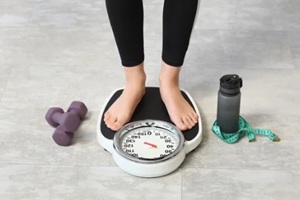
Mayo Clinic estimates roughly 1 mm Hg for each kilogram lost, which is about 2.2 pounds. Do the math on 10 pounds, about 4.5 kilograms, and you land somewhere around 4 to 5 mm Hg. The CDC notes in its weight loss guidance that people who lose 1 to 2 pounds a week are more likely to keep it off. A provider can help you set a pace through weight management visits.
Mayo Clinic links keeping alcohol under one drink a day for women and two for men to a reduction of about 4 mm Hg. If a beer or glass of wine is part of most nights, try dry weeknights first.
Sleep and Stress Affect Your Readings
The AHA counts sleep in its Life’s Essential 8 and wants adults getting seven to nine hours. Mayo Clinic has tied several weeks of under-six-hour nights to hypertension. Loud snoring, waking up gasping, or dragging through the afternoon are all worth mentioning to your provider. With obstructive sleep apnea, breathing pauses again and again overnight, and many people with the condition develop high blood pressure.
Mayo Clinic says the science on long-term stress isn’t settled yet. Reaching for comfort food, an extra drink, or a cigarette to deal with it, though, can raise blood pressure. Anxiety and strong coffee are both common triggers for spikes, so if a home reading looks high, sit for a few minutes without talking and take it again. When worry is constant, a provider can fold mental wellness care into the same plan.
Using Home Monitoring to Track Progress
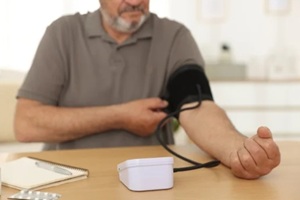
Following the AHA’s measurement guidance, accurate home blood pressure monitoring comes down to three things: the cuff, your position, and your timing.
The cuff should fit your upper arm, and the monitor should appear on the validated device listing of independently tested models. Bring it to an appointment so the office can compare it with their equipment, as the AHA recommends.
Your position should match from one check to the next. Give yourself five minutes in a chair first, with your back supported, both feet on the floor, and your arm resting on a table around heart height. Leave coffee, exercise, and cigarettes alone for half an hour beforehand.
Your timing is easiest to keep steady if you pick set times, such as before breakfast and before dinner. Take two or three readings a minute apart each session and log all of them, per the AHA. If a result is above 180/120, rest for five minutes and check again. Call 911 if it stays that high alongside chest pain, shortness of breath, numbness, vision changes, or trouble speaking, as the AHA advises.
Coordinating Lifestyle Changes With Your Care Plan
Stick to any prescription exactly as written, and bring up dose concerns with your provider rather than changing anything yourself. Let your care team know about each change you make to lower blood pressure naturally, because certain foods and supplements can interfere with treatment.
 You may need blood work before starting potassium or anything else from the vitamin aisle. If your provider has on-site laboratory testing in the same building, results can come back sooner. For adults seeking primary care in Durham, staying with one practice can make it easier to turn hypertension lifestyle changes into healthy blood pressure habits.
Schedule a Blood Pressure Visit With Imperial Center Family Medicine
Imperial Center Family Medicine has served families across the Triangle since 1999. Bring your home log to a blood pressure visit and decide with a provider which change to make first. Call 919-873-4517 or reach out online to book a time.