
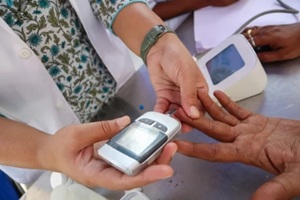
 Prediabetes often exhibits no noticeable symptoms, and the Centers for Disease Control and Prevention (CDC) estimates that about 8 in 10 adults who have it don’t know. Some find out after a hemoglobin A1C (A1C) test at a yearly checkup. If yours came back between 5.7% and 6.4%, your provider may want you to work on lowering your A1C through everyday changes before anyone brings up a prescription.
A recheck two to three months out is a common next step. Below are the changes worth making in that stretch, along with when medication might still be the better call.
What Your A1C Result Means
Glucose sticks to hemoglobin, the protein in red cells that carries oxygen. The longer your blood sugar stays above normal, the more it gets coated. Harvard Health Publishing describes an A1C result as that share, written as a percentage. Here are the CDC’s cutoffs from its diabetes testing guidance.
|
A1C Result |
What It Means |
| Below 5.7% |
Normal range |
|
5.7% to 6.4% |
Prediabetes |
|
6.5% or higher |
Diabetes range |
Under the NIDDK’s testing recommendations, routine testing begins at 35. People who carry extra weight plus another risk factor, or who have gestational diabetes, may need it sooner. With a normal result, you’d typically retest in three years.
Why 3 Months Is a Realistic Window
Dr. David M. Nathan of Harvard Medical School advises working on weight or activity first and rechecking a few months later. If you test sooner, weeks of readings from before you changed anything are still folded into the average. Your starting point, weight, and how consistently you stick with it can all change how far your number falls.
Eating Habits That Help Lower Blood Sugar
On a plate built from the CDC’s diabetes meal planning guide, non-starchy vegetables take up half the space. Leafy greens, cauliflower, peppers, and zucchini all count. The agency also notes that carbs raise blood sugar more gradually when paired with protein, fat, or fiber.
Between an orange and a glass of orange juice, the orange is the better pick. The CDC reports that fruit in liquid form raises blood sugar faster than whole fruit. The practice recommends similar swaps for lowering high cholesterol, including unsweetened drinks over soda and soluble fiber from oats and beans.
Skipping breakfast shows up on the CDC’s list ofblood sugar triggers. On those days, readings after lunch and dinner can come in higher. If your mornings are a scramble, a hard-boiled egg or a cup of plain Greek yogurt adds some protein.
Movement, Weight, and Sleep

The CDC’s weekly goal for adults with prediabetes is 150 minutes of brisk exercise. In a 2022 Sports Medicine review, a light two- to five-minute stroll after eating lowered post-meal blood sugar compared with staying seated. Those hours after lunch and dinner count toward your A1C, and a short walk at those times is one of the more workable ways to lower A1C during a busy week.
In the Diabetes Prevention Program (DPP), participants who lost 5% to 7% of their starting weight were 58% less likely to develop type 2 diabetes, according to CDC lifestyle program data. The trial measured new diagnoses rather than A1C changes. Weight management visits begin with an assessment and can include baseline blood work and scheduled check-ins.
One short night can leave your body less responsive to insulin, the CDC reports. A fixed bedtime and wake-up time, seven days a week, is among the agency’s sleep recommendations. When worry is what’s keeping you up, ask about anxiety management at your recheck.
Track Your Progress Before the Recheck
Pick one day a week to jot down your weight, your active minutes, and a quick note on food, sleep, and stress. At your recheck, you and your provider can line those notes up against the new number and see what helped.
You can eat and drink before an A1C draw, as noted by the NIDDK. The recheck can be done at the practice’s on-site laboratory, and results may be ready to go over during a visit.
When Medication Still Makes Sense
If you already have a diabetes prescription, don’t adjust or stop it without talking to your provider first. When diet and exercise alone fall short of the blood sugar goal, providers may add medication. You and your care team can then weigh your A1C trend and work out how to lower hemoglobin A1C safely.
A climbing number at the recheck, or a first reading of 6.5% or above, is worth bringing up with your provider to talk through treatment choices. Prediabetes also raises the odds of heart disease and stroke, the CDC reports. Your provider can look at blood pressure, cholesterol, and other cardiovascular risk factors at the same visit.
Schedule an A1C Check With Imperial Center Family Medicine
 Imperial Center Family Medicine has been caring for families in Durham and around the Triangle since 1999. Blood work happens at the on-site Quest Diagnostics laboratory, and a provider can walk you through each result.
Call (919) 873-4437 or reach out online to set up an A1C check and map out how to lower your A1C over the next three months.