
Key Takeaways
 LDL cholesterol below 100 mg/dL is considered ideal for most adults, but your personal target depends on your cardiovascular risk factors.
- Recent medical guidelines recommend a “lower is better” approach, with some high-risk patients aiming for LDL levels below 70 mg/dL.
- Your doctor determines your LDL goal by assessing your 10-year heart attack and stroke risk, along with other health factors.
- New research on how LDL functions in your body is leading to more personalized treatment strategies beyond one-size-fits-all targets.
- Regular cholesterol screening helps you track your levels and adjust your treatment plan as medical understanding evolves.
When your arteries slowly accumulate fatty deposits that restrict blood flow to your heart and brain, you risk serious health consequences that often show no warning signs. That’s why understanding your cholesterol numbers matters so much for preventing heart attacks and strokes before they happen.
LDL cholesterol targets have evolved significantly as researchers learn more about cardiovascular disease prevention. What doctors considered acceptable 20 years ago no longer aligns with current evidence showing that lower numbers protect your heart better. These shifting recommendations reflect medical progress, not confusion about what’s healthy.
How LDL Cholesterol Damages Your Arteries
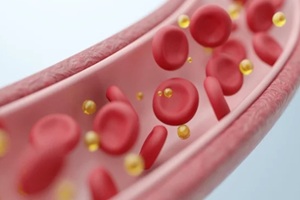
Your liver produces LDL particles that transport cholesterol through your bloodstream to cells throughout your body. Problems start when you have more LDL circulating than your cells need. The excess cholesterol joins with fats and other substances to form deposits inside your artery walls, creating thick, hard buildup called plaque.
Over time, plaque narrows your arteries, leading to reduced blood flow. Even more dangerous, the plaque can rupture suddenly, triggering blood clots that completely block circulation to your heart or brain. That’s why medical professionals focus so intensely on keeping your LDL numbers low, since accumulated exposure to high levels throughout your lifetime increases your cardiovascular risk.
Current LDL Targets for Different Patient Groups
 For healthy adults without heart disease risk factors, doctors aim for LDL levels below 100 mg/dL. This target provides good protection for people at average risk. Your numbers fall into different categories that help determine treatment urgency.
LDL between 100 and 129 mg/dL counts as elevated, while numbers from 130 to 159 mg/dL are borderline high. When your LDL reaches 160 to 189 mg/dL, that’s considered high; levels at 190 mg/dL or above are very high and often indicate inherited cholesterol conditions.
If you’ve already experienced a heart attack or stroke, your doctor will likely recommend much lower targets. Many cardiovascular specialists now aim for LDL below 70 mg/dL in patients with established heart disease who take cholesterol medications. This aggressive approach significantly reduces your risk of another cardiac event.
Why Medical Guidelines Recommend Lower Numbers
Recent research has strengthened the case for lowering LDL targets across patient populations. The American Heart Association and American College of Cardiology now emphasize that “lower is better” when it comes to reducing cardiovascular risk. This shift reflects decades of studies showing that people with consistently lower LDL levels throughout their lives have fewer heart attacks and strokes.
Scientific advances have also improved their understanding of exactly how LDL particles damage your arteries. Researchers recently used sophisticated imaging technology to see precisely how LDL binds to receptors that clear it from your blood. When genetic mutations or other factors impair this clearance process, LDL accumulates and forms dangerous arterial plaque.
This detailed knowledge helps doctors develop more targeted treatments. Statins remain the most effective medication for lowering LDL because they increase the receptors that remove cholesterol from your bloodstream. For patients who can’t tolerate statins or need additional help reaching their goals, newer medications can further reduce LDL levels.
How Your Doctor Determines Your Personal LDL Goal
 Your ideal LDL target isn’t the same as your neighbor’s because cardiovascular risk varies widely between individuals. Your doctor calculates your specific risk by considering multiple factors together, not just your cholesterol number alone.
If you’re between 40 and 75 with no history of heart problems, your doctor can estimate your 10-year risk of having a heart attack or stroke. This calculation incorporates your age, cholesterol levels, blood pressure, diabetes status, and smoking habits. Higher risk scores call for more aggressive LDL targets.
For younger adults aged 20 to 39, doctors may assess lifetime risk rather than a 10-year risk. If you have very high LDL above 160 mg/dL or a family history of early heart disease, your doctor might recommend cholesterol medication even at a young age to prevent cumulative arterial damage over decades.
Risk Factors That Influence Your Target Number
Several conditions intensify the need for lower LDL targets. People with diabetes experience higher cardiovascular risk and benefit from stricter cholesterol control. Chronic kidney disease, inflammatory conditions such as rheumatoid arthritis, and metabolic syndrome all increase the urgency of aggressive LDL management.
Your family history also plays a significant role. If close relatives had heart attacks or strokes before age 55 for men or 65 for women, that genetic predisposition affects your target. Some people inherit familial hypercholesterolemia, a condition causing LDL levels above 190 mg/dL from birth. These patients need cholesterol medication regardless of age because diet and exercise alone won’t bring their numbers down enough.
Your ethnicity can also influence both your risk level and your body’s response to treatments. South Asian individuals tend to have higher cardiovascular disease risk than some other groups. African Americans experience high blood pressure more frequently, which compounds cholesterol concerns.
Regular cholesterol screening helps you and your doctor track whether your current treatment plan works effectively. Most adults should check their cholesterol once every five years beginning at the age of 20, with more frequent testing as you get older or if you have risk factors.
Rely on Imperial Center Family Medicine to Improve Cholesterol
 Understanding your LDL targets gives you the power to protect your cardiovascular health through informed decisions and consistent action. Imperial Center Family Medicine has guided Triangle area families through comprehensive cholesterol management since 1999, combining regular monitoring with personalized treatment plans designed for your specific risk factors.
Contact us today at 919-873-4437 or online to book your cholesterol screening and create a cardiovascular protection strategy that works for you.