
Key Takeaways
 Blood pressure readings that fall below 90/60 mm Hg can leave you feeling dizzy, weak, or confused as your body struggles to deliver adequate blood flow.
- Multiple factors trigger hypotension, from medication side effects and blood loss to heart rhythm problems and severe dehydration.
- Your doctor uses a combination of pressure measurements, laboratory work, and specialized heart tests to pinpoint exactly why your numbers dropped.
- Standing up and feeling suddenly lightheaded signals the most common form, orthostatic hypotension, which becomes increasingly prevalent after age 50.
- Effective treatment for low blood pressure depends on identifying the underlying cause through proper medical evaluation.
Standing up from your couch and suddenly feeling the room spin isn’t normal, even though many people brush it off as nothing serious. That lightheaded sensation, along with blurred vision or unexplained fatigue, often indicates your blood pressure has dropped too far below the healthy baseline.
Medical Conditions That Lower Your Pressure
Your body maintains blood pressure through a delicate balance, and numerous health problems can disrupt this equilibrium. When you lose significant amounts of fluid through excessive sweating, repeated vomiting, or severe diarrhea, your blood volume shrinks. Less fluid circulating through your vessels means your pressure readings decline, sometimes dramatically.
Your heart’s pumping efficiency directly controls how well blood moves through your arteries. Problems like irregular heartbeats, damaged valves, or weakened heart muscle all interfere with this process. When your heart can’t maintain its normal rhythm or strength, pressure naturally drops.
Hormonal imbalances create another pathway to hypotension. Your adrenal glands produce chemicals that help regulate pressure, so conditions such as Addison’s disease that damage these glands can send your numbers downward. Blood sugar problems, whether from diabetes or other causes, similarly affect how your body manages circulation.
Serious infections sometimes enter your bloodstream and trigger a dangerous pressure collapse called septic shock. This is a medical emergency that requires you to seek immediate hospital care. Allergic reactions can produce comparable effects, causing your vessels to dilate suddenly and your pressure to plummet within minutes.
Medications and Substances That Affect Your Numbers
 Prescription drugs rank among the most frequent reasons people develop hypotension. Medicines designed to lower high blood pressure sometimes work too well, especially when you first start taking them or when your doctor adjusts the dosage. Diuretics remove excess fluid from your body, which can reduce blood volume enough to drop your pressure below safe levels.
Antidepressants, particularly older varieties, affect how your nervous system controls vessel constriction. Parkinson’s medications and drugs for erectile dysfunction also influence pressure regulation through different mechanisms. Even some over-the-counter supplements and herbal products contain compounds that relax blood vessels or affect fluid balance.
Alcohol temporarily lowers pressure by dilating your blood vessels, while recreational drugs can produce unpredictable effects on your cardiovascular system. That’s why doctors always ask about everything you’re taking or using, including substances you might not consider medications.
How Different Forms Affect Your Daily Life
The timing and triggers of your symptoms help doctors identify which type of hypotension you’re experiencing. Orthostatic hypotension strikes when you move from sitting to standing, creating that brief dizzy spell as gravity pulls blood toward your legs faster than your body can compensate. This happens most often in people over 65 because aging affects the reflexes that normally stabilize pressure during position changes.
After eating a meal, some people notice their symptoms worsen for an hour or two. This postprandial pattern occurs because your digestive tract requires extra blood flow to process food, temporarily reducing circulation elsewhere. Smaller portions and limiting carbohydrates often improve this response.
Younger individuals sometimes feel faint after standing still for long periods, such as when they are waiting in line or attending long events. Their nervous system sends mixed signals about how much blood flow their brain needs, creating symptoms despite otherwise healthy cardiovascular function.
Medical Tests That Reveal the Cause

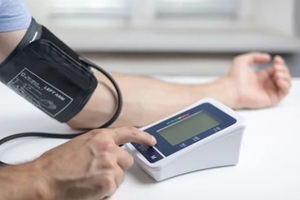
Finding out why your pressure drops requires more than just taking a measurement with a cuff. Your doctor starts there, checking your numbers while you’re sitting and again after you stand up. Watching how your pressure responds to position changes provides immediate clues about what’s happening.
Blood work reveals whether you’re anemic, dehydrated, or dealing with hormonal imbalances that affect circulation. These tests measure your red blood cell count, electrolyte levels, thyroid function, and blood sugar control. For women of childbearing age, pregnancy testing becomes relevant since early pregnancy commonly lowers pressure.
Urine analysis shows how well your kidneys are managing fluid balance and whether underlying kidney disease might be contributing to your symptoms. Your kidneys play a major role in controlling blood volume, so checking their function helps complete the diagnostic picture.
Advanced Procedures for Complex Situations
When basic testing doesn’t explain your symptoms, doctors turn to more specialized evaluations. An electrocardiogram captures your heart’s electrical patterns, showing whether rhythm disturbances are causing your pressure to fluctuate. This quick, painless test often identifies problems that aren’t obvious from a physical examination.
Imaging technology lets doctors examine your heart’s structure and function in detail. Echocardiograms use sound waves to create moving images of your heart valves and chambers, revealing defects or damage that might be reducing pumping efficiency. CT scans and MRIs provide different perspectives on your cardiovascular anatomy when doctors need more information.
The tilt table examination specifically tests how your body responds to changes in position. You lie flat on a motorized table while connected to monitoring equipment, then the table gradually tilts upward to simulate standing. Medical staff watch your pressure and heart rate throughout this process, documenting exactly when symptoms appear and how severe they become.
Exercise testing shows how your heart performs under stress. You’ll walk on a treadmill or pedal a stationary bike while doctors monitor your cardiovascular response. Some problems only become apparent when your heart has to work harder, making this test valuable for certain diagnoses.
Professional Evaluation and Low Blood Pressure Treatment from Imperial Center Family Medicine
 Imperial Center Family Medicine’s providers bring decades of combined experience diagnosing and managing hypotension in patients throughout the Triangle area.
Our on-site Quest Diagnostics laboratory delivers test results quickly, eliminating delays in your diagnosis and treatment planning. Contact us today at 919-873-4437 or online to schedule your evaluation and start addressing your low blood pressure concerns with providers who genuinely care about your well-being.