
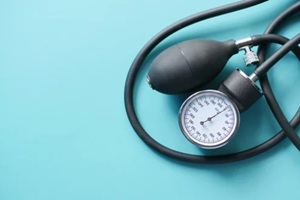
 High blood pressure rarely gives notice. You can carry it for years and feel fine while quiet damage builds up in your heart, kidneys, and brain. That is what makes hypertension risk worth addressing now, before something serious forces the issue. Luckily, what you do each day can make a significant difference. Small, steady changes to how you move, eat, sleep, and handle stress can reduce blood pressure naturally and often help prevent high blood pressure altogether.
Below are 10 daily habits for blood pressure that support a heart-healthy lifestyle.
Essential Takeaways
|
1. Move your body most days
Exercise is one of the most effective tools for hypertension prevention. The American Heart Association recommends at least 150 minutes of moderate levels of activity every week, or about 30 minutes five days a week. Brisk walking, cycling, and swimming all count. Regular movement can drop blood pressure by 5 to 8 mm Hg in people with elevated readings, so even short walks during the workday add up. Consistent activity paired with diet changes can sometimes reverse early-stage hypertension.
2. Maintain a healthy weight
Excess body weight causes your heart to work harder and drives blood pressure up. Even small drops in weight can produce real improvements in your readings. If you have weight to lose, target a slow, steady loss of about 1 to 2 pounds per week, since gradual loss tends to stick better than aggressive crash dieting.
3. Build meals around a heart-friendly diet
What you eat shapes your numbers more than almost anything else. The DASH eating pattern (Dietary Approaches to Stop Hypertension) centers on fruits, vegetables, whole grains, lean proteins, beans, and low-fat dairy. This diet for hypertension is one of the most effective ways to bring blood pressure down without medication. Try filling half your plate with produce, swapping refined grains for whole grains, and primarily cooking at home so you can control the ingredients.
4. Cut back on sodium
If you eat excess sodium, your body will end up holding onto water, which raises blood pressure. The Mayo Clinic recommends keeping daily sodium under 2,300 milligrams, and closer to 1,500 if your readings are already high.
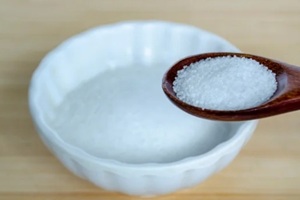 Most of the salt people eat hides in packaged and restaurant food. To reduce sodium intake, read nutrition labels, choose low-sodium options when available, and flavor meals with herbs, garlic, and citrus. Some hypertension-friendly recipes can show you how to keep flavor without leaning on salt.
5. Eat more potassium-rich foods
Potassium helps your body get rid of any excess sodium and relaxes blood vessel walls. Excellent sources include bananas, sweet potatoes, leafy greens, beans, avocados, and tomatoes. Most adults benefit from working more of these into daily meals. If you have kidney disease or take certain blood pressure medications, check with your provider first, since too much potassium can cause problems in some cases.
6. Limit alcohol
Alcohol raises blood pressure and can also blunt the effect of blood pressure medications. The CDC suggests no more than two drinks per day for men and one for women. Cutting back or skipping alcohol during the week often produces noticeable drops in readings within a few weeks.
7. Quit smoking and avoid secondhand smoke
Smoking sends blood pressure up briefly with every cigarette, and over time, it damages the walls of your blood vessels and raises long-term heart risk. Vaping carries similar concerns. If you smoke, ask your provider about quit-smoking programs, nicotine replacement therapy, and prescription options. Reducing your exposure to secondhand smoke also makes a measurable difference.
8. Manage daily stress
Ongoing stress keeps stress hormones circulating, which constricts blood vessels and raises your heart rate. You cannot remove every source of pressure in your life, but you can build in regular ways to decompress. Deep breathing, walking outdoors, meditation, gentle yoga, and screen-free time all help. Even 10 quiet minutes a day can shift your nervous system out of overdrive.
9. Get quality sleep
Adults who routinely sleep fewer than seven hours a night have higher rates of hypertension. Poor sleep negatively affects the hormones that regulate your blood pressure overnight. Aim for seven to nine hours, hold a steady bedtime, and stay away from screens for at least half an hour before bed. If you snore loudly or wake up tired despite a full night, ask your provider about sleep apnea screening, since untreated apnea drives numbers up.
10. Track your numbers at home
You cannot improve what you do not measure. A home blood pressure monitor lets you see how your daily habits pay off between office visits. Take readings at the same time each day, sit quietly for five minutes first, and write down the results. Share the log with your provider so they can spot patterns and fine-tune your care plan.
Build a heart-healthy plan with Imperial Center Family Medicine
 Lowering your hypertension risk takes steady effort, and a provider who knows your history makes the work much easier. Imperial Center Family Medicine has cared for Triangle-area families since 1999, with same-day appointments and on-site Quest Diagnostics testing so you get answers quickly.
Call 919-873-4437 or reach out online to schedule a blood pressure check and start building a plan that fits your life.